Technology Development Inc. · Morgantown, West Virginia

L. Zane Shuck

Morgantown, West Virginia

L. Zane Shuck, PhD, PE

Sixty years of mechanical engineering, across rock mechanics, hydraulic fracturing and the human gut. Twenty three United States patents, including the first ever awarded through West Virginia University.

Read on
About

An engineer who kept changing fields

Most engineers spend a career inside one discipline. Dr. Shuck holds patents in fluid mechanics, solid mechanics, materials science, geomechanics, instrumentation and the biological sciences, fields that do not usually appear on one person's list. He founded Technology Development Inc. in Morgantown in 1980 and has run it since.

His method is unusual and he is direct about it. Rather than beginning a patent with a literature search, he deliberately ignores the prior art at the start, so that what other people have already tried does not bias or narrow the idea he is chasing. The search comes later.

He holds the first United States patent ever awarded through West Virginia University, and in 1975 the Department of Energy gave him its award for the most patents granted in a single year to any federal employee.

He was born on a West Virginia farm, which is where he says the engineering came from: if something broke, somebody on the place had to work out how to fix it.
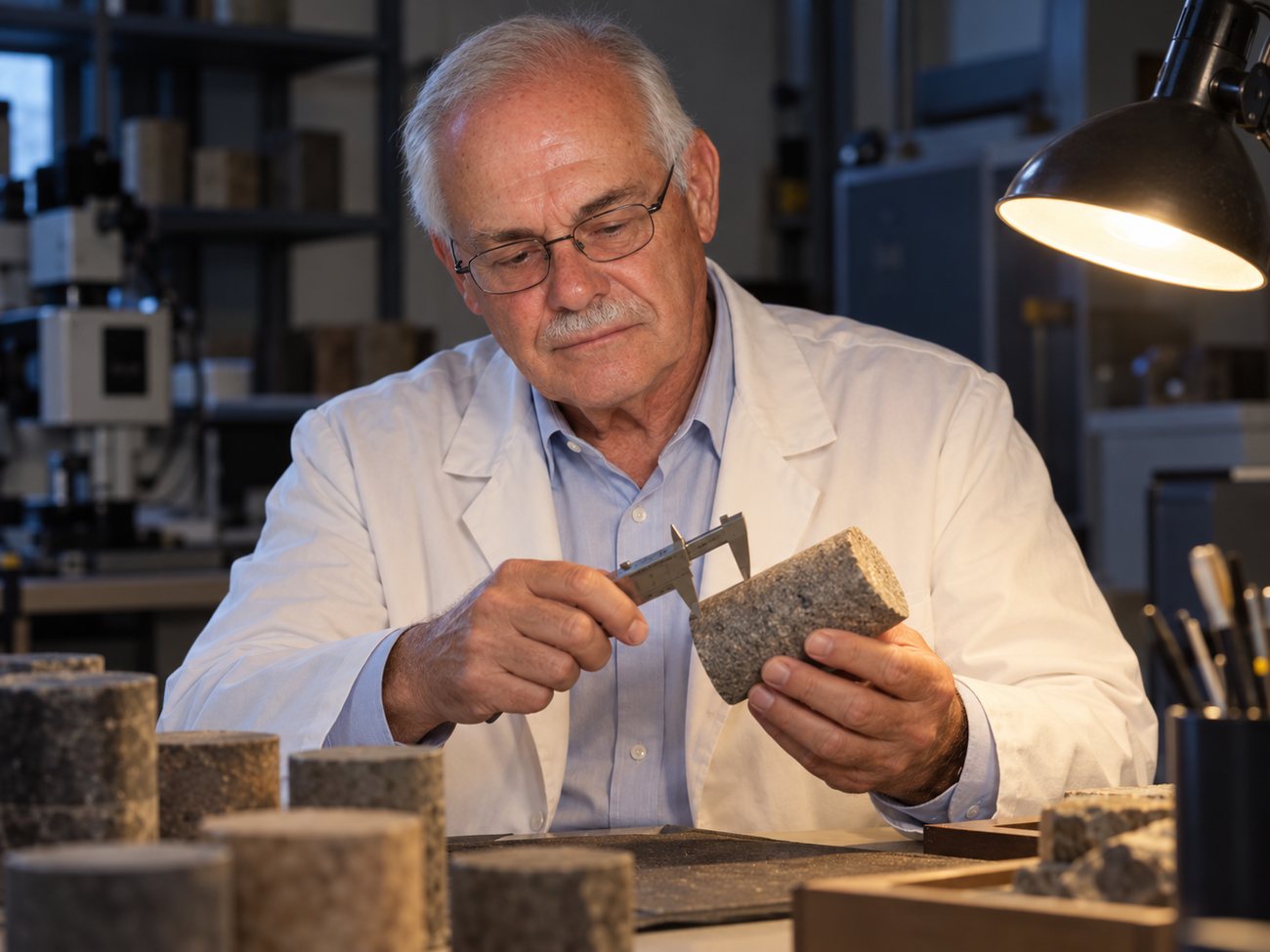
Examining a rock core sample at the bench

By the numbers

1958

First engineering degree, West Virginia Institute of Technology

1980

Technology Development Inc. founded

23

United States patents

62

Publications

65+

Gas wells drilled and completed

2016

The L. Zane Shuck Nanobiotechnology Laboratory named at WVU

Patent, publication and well counts are as stated by Dr. Shuck. They move as work is filed and published.

Patents

Five devices you swallow

Between 2013 and 2018 he was granted five patents covering capsule instruments that travel the length of the gastrointestinal tract and sample it as they go. The numbers are given in full so anyone can look them up.

  • US 8,491,495 B1
    Human Intestinal Tract Research and Diagnostic System

    Granted 23 July 2013

  • US 8,915,863 B2
    In Vivo Device and Method for Researching GI Tract Processes

    Granted 23 December 2014

  • US 8,926,526 B2
    Patient In Vivo Gut Diagnostic and Treatment Tool

    Granted 6 January 2015

  • US 9,215,997 B2
    In Vivo Technology System for Human Gut Research

    Granted 22 December 2015

  • US 9,955,922 B2
    Capsule Device and Methodology for Discovery of Gut Microbe Roles

    Granted 1 May 2018

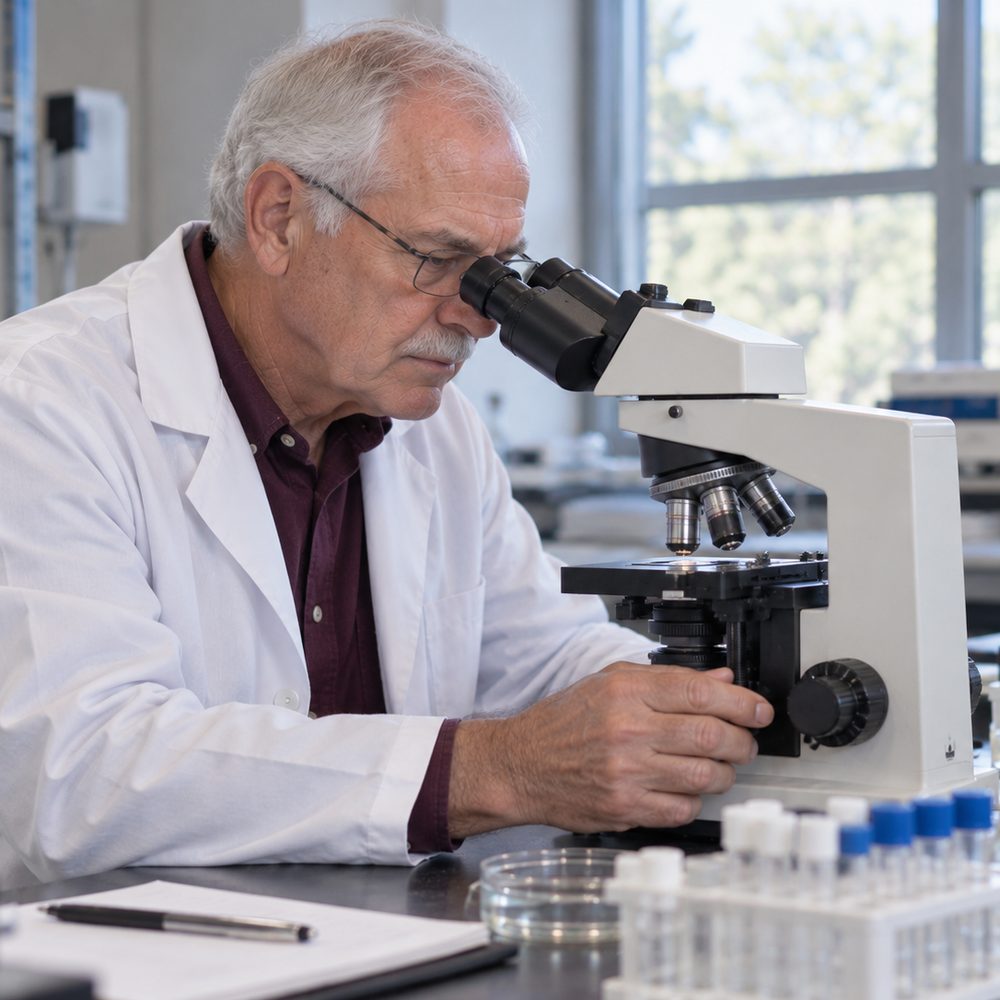
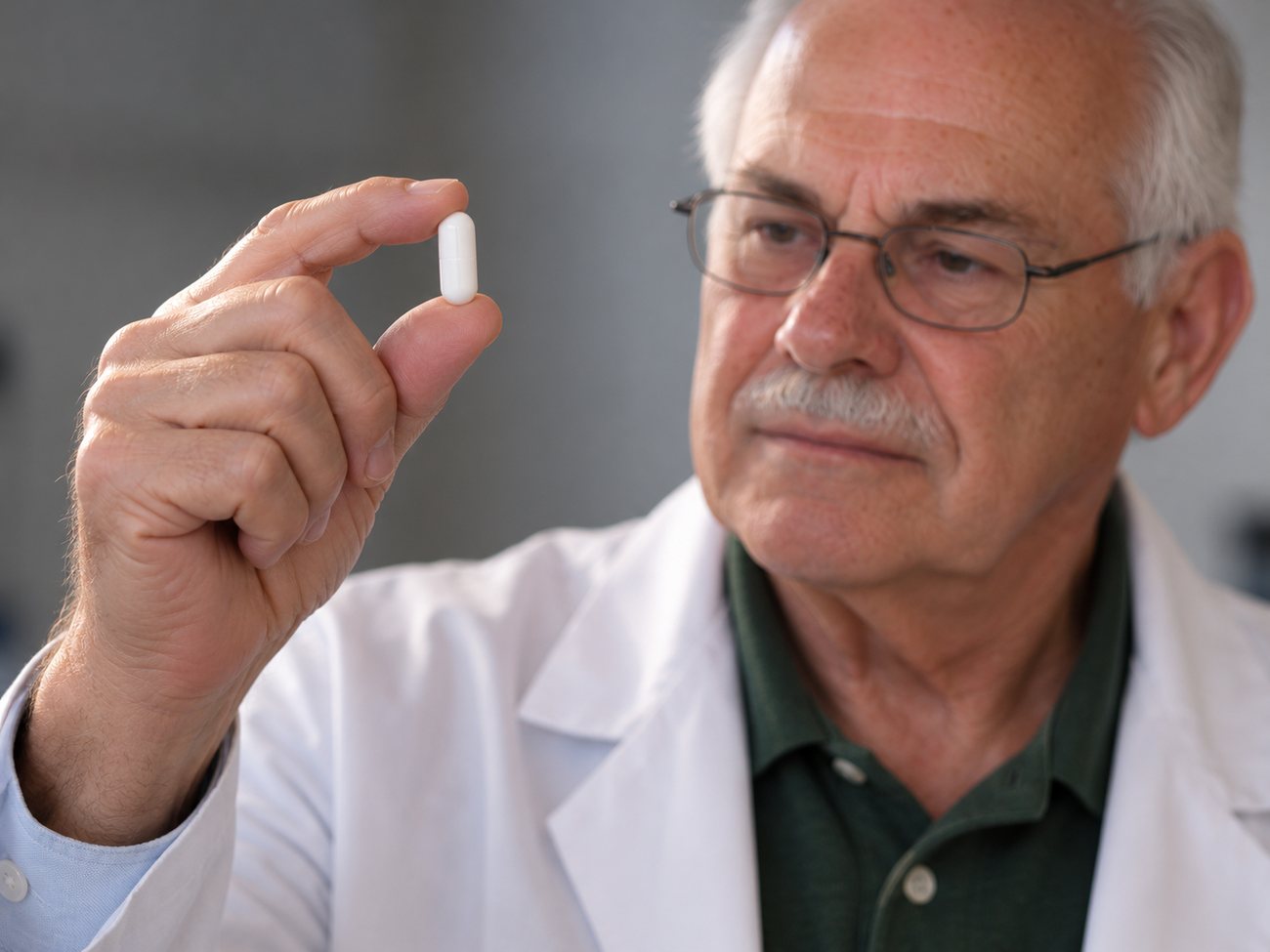
Inspecting a capsule device

Gut research

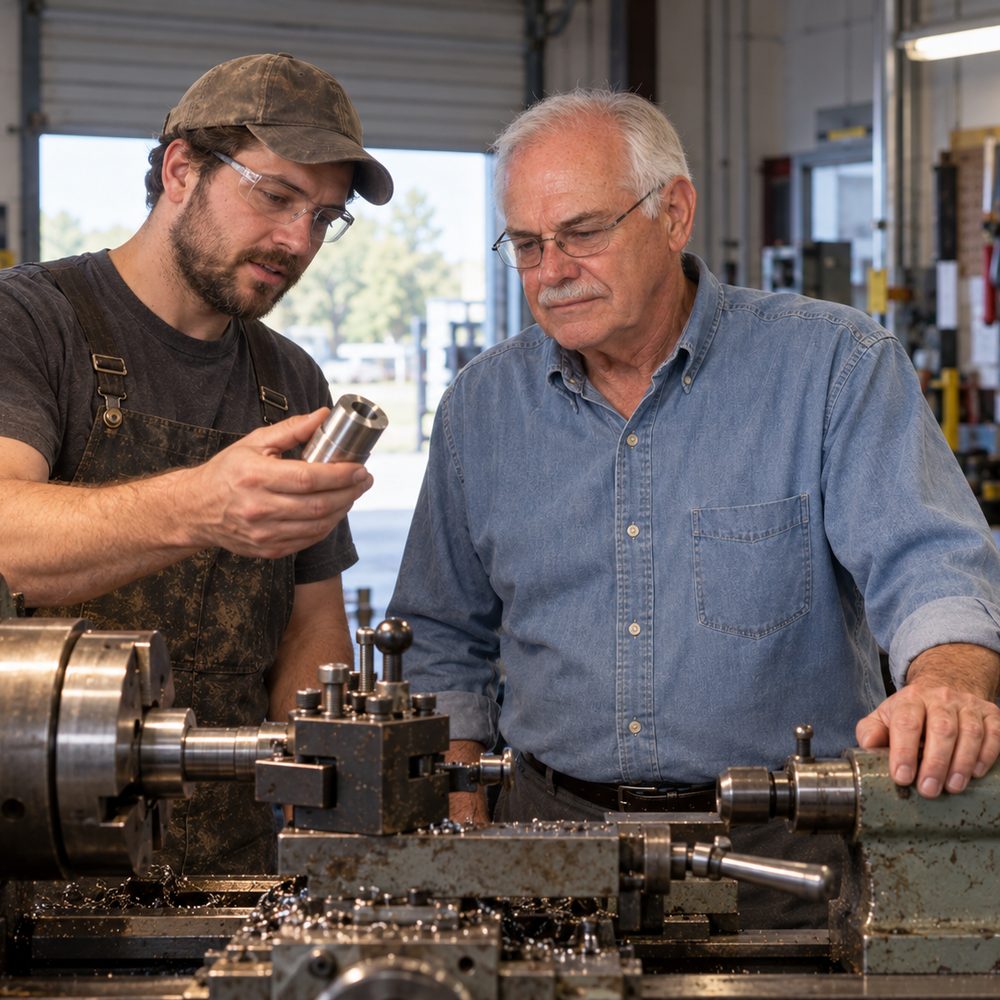
Explaining the capsule work to graduate students
Gut research

It started with his own diagnosis

Around 2010 he was diagnosed with a gluten sensitivity. He had been losing his memory. On a gluten free diet the memory came back. A mechanical engineer with a habit of taking systems apart then asked the obvious next question, which was what exactly had been happening in there.

That question became five patents. The instruments are capsules a patient swallows, designed to gather data along the whole length of the gut rather than at the two ends of it, where nearly all sampling had been done before.

His hypothesis, stated as a hypothesis. He argues the brain and the gastrointestinal tract are in constant intensive communication, that between them they are the two most complex systems to model on Earth, and that the roles the microbiome plays in symptoms and disease are still largely uncharacterised. He puts this forward as a research direction, not as a finding, and makes no clinical claim.

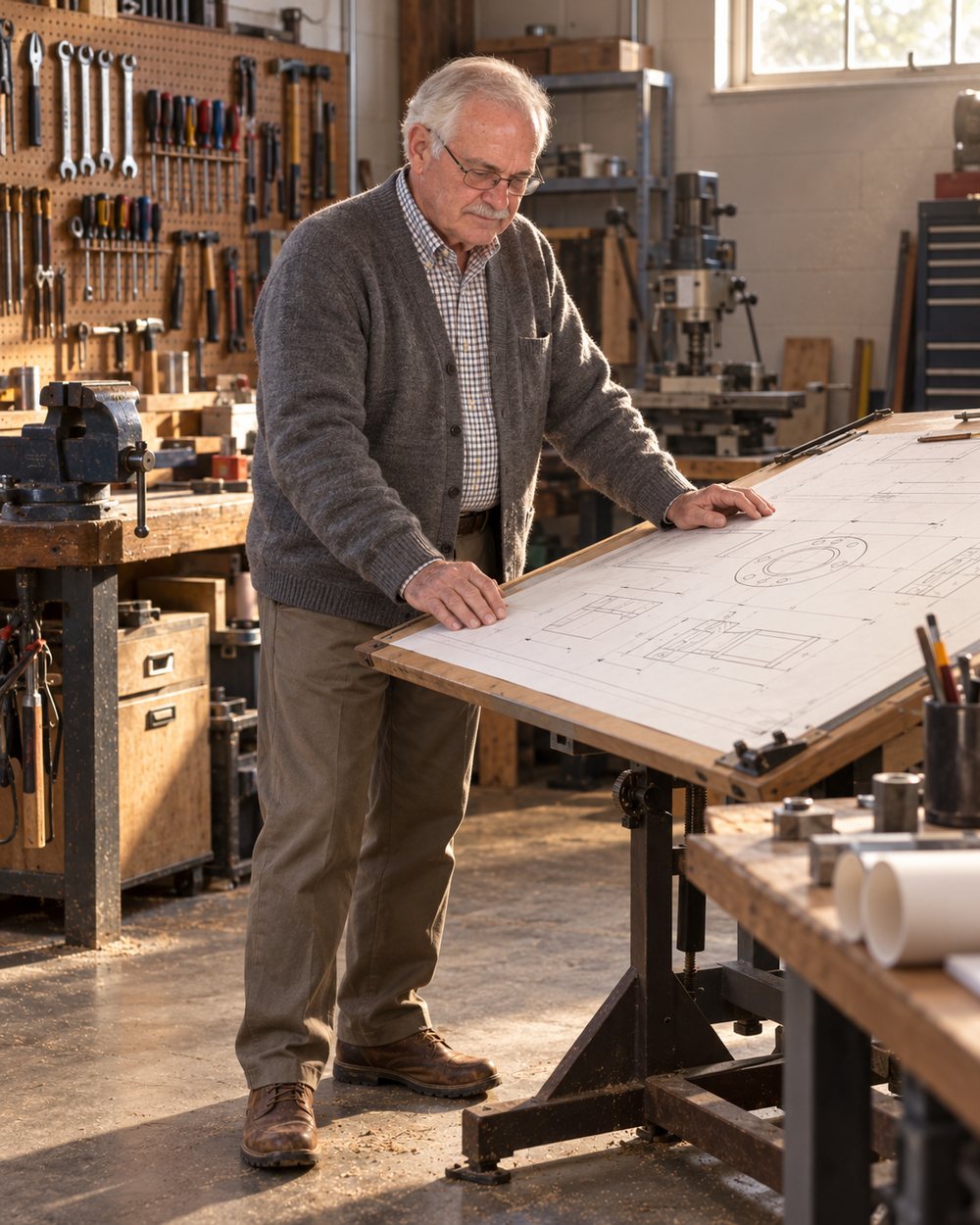
At the drafting table in his workshop
Oil and gas

The argument he keeps making

He was among the first to work out what actually happens in rock during hydraulic fracturing. He hypothesised that fractures grow in discrete jumps in sandstone, limestone and shale, then proved it experimentally in his own laboratory. He was first to analyse the three dimensional stress distribution in the earth's crust during fracturing, and first to show that the stress field could be re-oriented enough to steer where new fractures go.

Through Technology Development Inc. he drilled and completed more than sixty five gas wells. Some are still producing.

His position on recovery, in his own words

He argues that current fracturing practice in the Marcellus and Utica shales recovers roughly twenty percent of the gas in place, where sixty percent or better should be achievable, and that the difference is an engineering problem rather than a geological limit.

This is Dr. Shuck's own published engineering position. It is his argument, not a settled industry figure.

Career

Sixty years, in order

  • 1980 – now
    Founder and president, Technology Development Inc.

    Morgantown, West Virginia. Founder and president of The WMAC Foundation since 1997.

  • 1980 – 1985
    Adjunct professor, College of Engineering

    West Virginia University

  • to 1980
    Associate director of the engineering experiment station, and professor of mechanical engineering

    West Virginia University

  • 1970 – 1976
    Supervisory mechanical engineer, Morgantown Energy Research Center

    United States Department of Energy. Held a security clearance through that period.

  • 1965 – 1970
    National Science Foundation Science Faculty Fellow, and research engineer

    West Virginia University

  • 1960 – 1965
    Associate professor and chairman of mechanical engineering

    West Virginia Institute of Technology

  • 1958
    Sales engineer

    West Virginia Armature Co. The first job.

Education

  • 1970 PhD, theoretical and applied mechanics and biomechanics, West Virginia University
  • 1965 MS, mechanical engineering, West Virginia University
  • 1958 BS, mechanical engineering, West Virginia Institute of Technology
  • 1961 – 1965 Four postdoctoral summer programmes at the Massachusetts Institute of Technology

Registered Professional Engineer and licensed surveyor in West Virginia and Ohio, certified by the National Council of Engineering Examiners.

Public service

  • Science advisor to West Virginia Governor Jay Rockefeller
  • Science and technology coordinator, West Virginia Legislature
  • WVU and WVU Tech Colleges of Engineering advisory committees, sixteen years
  • West Virginia Coal and Energy Advisory Committee
  • West Virginia Air Pollution Control Commission
  • West Virginia Inventors Council
  • Founder and chairman, Appalachian Rivers Conference and Exhibit, 1998
Recognition

Independently awarded

1975

Most patents in one year by a federal employee

United States Department of Energy.

1980

Ralph James National Award

American Society of Mechanical Engineers.

1970

Materials testing award

American Society for Testing and Materials.

2016

The L. Zane Shuck Nanobiotechnology Laboratory

Named in his honour at West Virginia University. Admitted Alum Emeritus by WVU in 2022.

Fellowships

National Science Foundation Science Faculty Fellowship to West Virginia University, a second NSF fellowship to Iowa State University, and four Ford Foundation fellowships for summer programmes at the Massachusetts Institute of Technology and Wayne State University.

Contact

Getting in touch

Enquiries about the patents, licensing, the gut research or the oil and gas work.

Company

Technology Development Inc.
Morgantown, West Virginia

Also online

drlzaneshuck.com